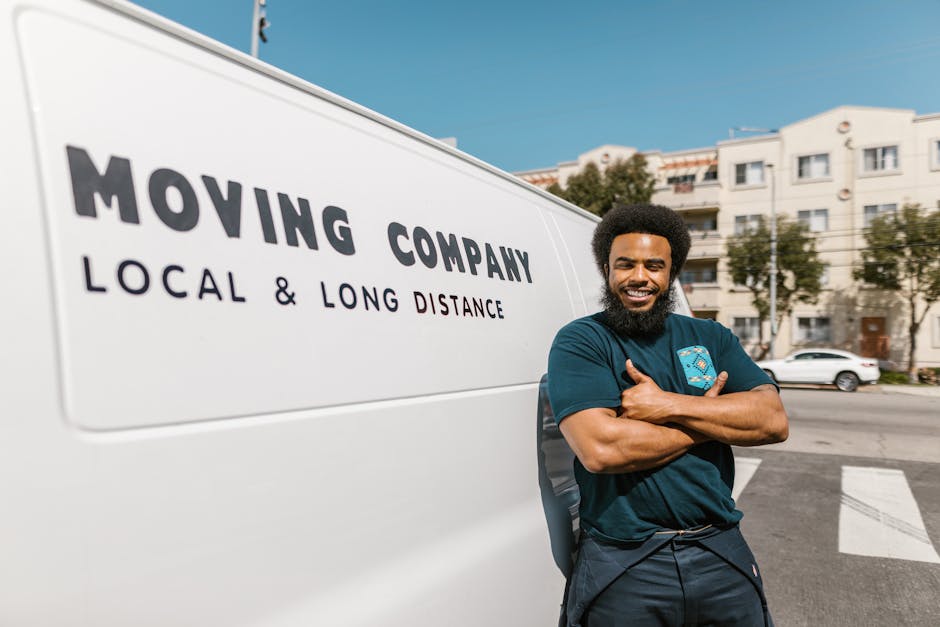
Compare Man and Van vs Full Removals in West London

If you're planning a move and trying to compare man and van vs full removals in West London, you're probably at that familiar point where the boxes are multiplying, the calendar is tightening, and every option starts sounding similar. To be fair, they are not the same at all. One service is built for flexibility and smaller jobs; the other is designed for a more complete, hands-off move.
This guide breaks the difference down in plain English so you can choose with confidence. We'll look at how each option works, where it makes sense, what to watch out for in busy West London streets, and how to avoid paying for more than you actually need. You'll also find a comparison table, a practical checklist, and a few real-world decision points that people often overlook.
Why Compare Man and Van vs Full Removals in West London Matters
West London moves can look simple on paper, then turn fiddly in real life. Narrow roads, controlled parking zones, lifts that are busy at exactly the wrong time, awkward staircases, and traffic that seems to have a personal grudge against you all change the picture. That's why choosing between a man and van service and a full removals team matters more here than in a quieter, more forgiving area.
A man and van service is usually suited to smaller or lighter moves, quick transport, partial loads, student moves, furniture collection, or situations where you want a bit of help but not a large crew. A full removals service is generally better when there's more to move, more risk of damage, more time pressure, or more complexity, such as a family home, office relocation, or properties with difficult access.
The wrong choice can create friction. Pick too small a service and you may end up making multiple trips, carrying heavy items yourself, or running late. Pick too large a service and you might pay for capacity you never needed. Not ideal, and usually avoidable.
For many people, the decision is really about three things: volume, complexity, and how much hands-on help you want. That's the honest version. Everything else sits underneath those three.
If you're looking for a broader home-moving option, it can also help to look at home moves and the more general house removalists service pages to understand how a fuller move is typically handled.
How Compare Man and Van vs Full Removals in West London Works
Let's keep this simple. A man and van service usually centres on a vehicle, one or two movers, and a more flexible, pay-for-what-you-need approach. It may be booked for a few hours, a single journey, or a small set of items. It works well when you can pack most things yourself and don't need a large team.
A full removals service usually includes more planning, more manpower, and more of the heavy lifting, literally. Depending on the provider and the job, that can mean packing support, dismantling and reassembly of furniture, loading strategy, transport, unloading, and sometimes unpacking. A move like that tends to feel more coordinated. Less "we'll wing it", more "we've got a plan".
In practice, the main differences show up before the van even arrives:
- Planning: full removals usually require a more detailed survey or inventory.
- Team size: man and van is smaller and more flexible; full removals often use a larger crew.
- Equipment: removals teams may bring trolleys, blankets, tools, and protective gear as standard.
- Packing support: full removals are more likely to offer packing and unpacking services.
- Job scope: man and van is ideal for lighter, shorter jobs; full removals handle more complex moves.
A good way to think about it: man and van is the practical middle ground, while full removals are the more complete solution. Neither is "better" in the abstract. Better for what, exactly? That's the real question.
If your move involves commercial equipment or an office rather than a home, the distinction becomes even clearer. You may want to explore commercial moves or office relocation services because business moves often need tighter coordination than a simple van hire.
Key Benefits and Practical Advantages
Each option has strengths. The right one depends on what you're trying to protect: time, money, energy, or peace of mind. Sometimes all four, which, let's face it, is the dream.
Man and van benefits
- More affordable for small loads: if you only have a few items, a sofa, a bed, or several boxes, it can be a sensible choice.
- Flexible scheduling: these jobs can often be arranged more quickly and with less fuss.
- Good for short-distance moves: ideal when you're shifting within West London or making a single collection and drop-off.
- Less formal when you don't need full service: if you've packed already and just need transport, it keeps things lean.
Full removals benefits
- Less physical strain: the team handles more of the lifting and carrying.
- Better for fragile or bulky items: wardrobes, appliances, mirrors, and awkward furniture are easier to manage with more people and equipment.
- More efficient for larger homes: the extra hands can save time on loading and unloading.
- Reduced stress: this matters more than people admit. On moving day, a calm plan beats heroic improvisation.
There's also a sustainability angle worth mentioning. If you're clearing unwanted items or replacing furniture, choosing the right service can reduce wasted trips and unnecessary mileage. Some customers also use furniture pick up as part of a broader move or declutter, which can be a tidy way to keep the job efficient.
And if you are weighing up transport capacity specifically, pages like moving truck and removal truck hire can help you think through the vehicle side of the job, especially if the volume is the main issue.
Who This Is For and When It Makes Sense
The easiest way to choose is to match the service to the situation. Here's where each option tends to make sense in real life.
Choose man and van if you:
- have a studio flat, one-bedroom flat, or a small load
- only need to move a few large items
- are relocating locally within West London
- have packed everything already
- want a practical, lower-cost option
- need quick transport rather than a full relocation team
Choose full removals if you:
- are moving a family home
- have many boxes and bulky furniture
- need help with packing, dismantling, or reassembly
- are on a deadline or moving with children or pets underfoot
- have delicate, heavy, or high-value items
- want a more managed experience from start to finish
For office moves, the same logic applies, but the stakes are often higher. Computers, filing, desks, and access timing all need coordination. That's where a fuller service can be the safer bet, especially if you're also thinking about commercial moves.
A small real-world moment: a customer moving from a top-floor flat in Shepherd's Bush might only need a van and two movers for a bed, boxes, and a fridge. Another person moving from a two-bedroom terrace in Chiswick with a piano, sideboard, and several awkward pieces would probably breathe easier with a full removals team. Same city. Very different job.
Step-by-Step Guidance
If you're undecided, use this straightforward process. No guesswork, no drama.
- List everything you need to move. Not just the obvious furniture. Add lamps, mirrors, bikes, plants, office kit, and anything in storage.
- Estimate volume honestly. A move can look small until you start stacking boxes in the hallway.
- Check access at both addresses. Think stairs, lifts, parking, narrow turns, long carries, and loading restrictions.
- Decide how much help you want. If you're packing, lifting, and dismantling yourselves, a man and van may be enough. If not, lean toward full removals.
- Consider timing pressure. Are you working to a tenancy handover, school run, or office closure deadline?
- Look at special items. Fragile artwork, expensive electronics, or bulky furniture can change the decision quickly.
- Compare the total effort, not just the price. The cheapest quote can become expensive if it forces extra trips or more of your own labour.
- Ask for a clear scope. Know what is included before the day arrives. That avoids awkward "I thought that was covered" moments.
If you want a clean way to judge the move's size, start with the question: could this realistically fit into one van load without causing chaos? If the answer is "maybe, but it'll be tight", that is often your warning sign. Tight moves are where delays tend to happen.
For more detail on getting the quoting side right, it's worth reviewing pricing and quotes. That can help you understand what should be included and where to ask follow-up questions before you book.
Expert Tips for Better Results
These are the small things that make a move smoother. They sound minor. They are not minor on the day.
- Pre-pack the easy stuff early. Books, clothes, linens, and kitchen bits take longer than you think.
- Label boxes by room and priority. "Kitchen - open first" saves time when you're tired and surrounded by cardboard.
- Keep essentials with you. Documents, chargers, medications, keys, and a kettle if you're attached to comfort, which many of us are.
- Measure awkward furniture. Doors and stair turns are the classic trap. The sofa always looks more cooperative in the living room than it does on the staircase.
- Reserve parking where needed. In West London, access can make or break the schedule. Don't leave it to luck.
- Book the right size vehicle. A van that is too small creates extra trips; one that is too large may be harder to position in tight streets.
- Protect surfaces and corners. Door frames, banisters, and painted walls often suffer first.
And one slightly unglamorous tip: keep a rubbish bag handy. The amount of random wrapping, tape, and half-empty boxes that appears during a move is almost comical. Almost.
If you're still unsure on vehicle choice, the pages on man and van and man with van are helpful because they speak to the more flexible, transport-led side of the comparison.
Common Mistakes to Avoid
The biggest mistakes usually come from underestimating the job. Very common. Very avoidable.
- Booking based on price alone. Cheap is fine if it fits the job. Cheap and unsuitable is where the trouble starts.
- Assuming a man and van can handle a full household move. Sometimes it can, but not always efficiently or safely.
- Forgetting access constraints. A van can't magically grow wings because parking is awkward.
- Not mentioning bulky items upfront. Pianos, American-style fridges, and heavy wardrobes need to be disclosed early.
- Leaving packing until the night before. That's a stressful habit. The boxes know it too.
- Overlooking insurance and care standards. It's wise to ask how items are protected in transit and what happens if something goes wrong.
- Not planning for the final unpack. A move does not end when the door closes behind the last box.
A quieter but important mistake is failing to check how you'll dispose of items you no longer want. If you're reducing clutter, recycling or reuse planning matters. You may find the page on recycling and sustainability useful as part of the wider move plan.
Tools, Resources and Recommendations
You do not need a complicated toolkit, but a few basics make the whole process easier. Think of this as the moving equivalent of putting your coat on before leaving the house because, well, it's West London and the weather will do what it likes.
- Strong boxes in consistent sizes so stacking is easier and safer
- Packing tape and labels for clear organisation
- Furniture blankets or protective covers for delicate or polished surfaces
- Sturdy bags or crates for mixed small items
- Basic tools for dismantling beds, tables, and shelving
- Measuring tape for access checks
- Notebook or phone notes for inventories and room-by-room lists
For people who want a more complete moving setup, the most relevant supporting services are usually packing and unpacking services and, for larger jobs, a managed transport option such as moving truck. If the move is heavy on furniture, the page on removal truck hire can also be useful context.
One practical recommendation: create a "first night" box. Put in bedding, toiletries, tea bags, scissors, chargers, toilet roll, and a small snack. It sounds tiny. It makes the first night feel human again.
Law, Compliance, Standards, or Best Practice
For most domestic moves, the key compliance issues are practical rather than complicated. The main thing is to use a provider that works safely, handles belongings responsibly, and is clear about what is and isn't included. If items are carried by staff, they should be handled with sensible care, and the company should be upfront about insurance and safety arrangements.
In London, parking and access can create operational issues, so it is best practice to check local restrictions, loading bays, and building rules before moving day. This is especially true for flats, managed buildings, and office premises. No one enjoys discovering at 8:15 in the morning that the loading bay is unavailable.
For business moves, there is usually a stronger duty to plan around staff safety, secure equipment, and minimise disruption. Good providers will talk through access, building rules, and risk points before the job begins. You can also review a company's stated approach to health and safety policy and insurance and safety to understand how they approach risk.
It is also sensible to check terms before booking. Payment terms, cancellations, waiting time, item exclusions, and responsibility for packing all matter. A move is stressful enough without hidden misunderstandings afterwards.
That kind of clarity is part of good service. Plain and simple.
Options, Methods, or Comparison Table
Here's a practical side-by-side view to help you compare the two services without getting lost in sales language.
| Factor | Man and Van | Full Removals |
|---|---|---|
| Best for | Small loads, quick jobs, flexible transport | Large homes, complex moves, full support |
| Team size | Usually one or two movers | Often a larger crew |
| Packing help | Usually limited or optional | Often available, sometimes included |
| Price structure | Often simpler and lower for small jobs | Higher overall, but more comprehensive |
| Speed | Fast to arrange and suited to short-distance work | More planning required, but smoother for larger moves |
| Best access scenario | Easy access, limited items, minimal complexity | Difficult access, multiple rooms, heavy furniture |
| Stress level | Lower if the job is genuinely small | Lower for bigger moves because more is handled for you |
A helpful rule of thumb is this: if your move is mostly transport, man and van often fits well. If your move is mostly coordination, lifting, and protection of a lot of items, full removals usually make more sense.
That may sound obvious, but in real life people often choose based on one feature alone, usually price. The more useful approach is to choose based on the whole experience you want on moving day.
Case Study or Real-World Example
Here's a realistic example from the kind of move people make every week in West London.
A couple is moving from a one-bedroom flat in Hammersmith to a small house in Acton. They have a bed, a sofa, a dining table, six boxes of books, kitchenware, and a few fragile items. The access at both ends is decent, but there are stairs and a time window for loading.
At first, they think a man and van will be enough. And maybe it would be, if they were happy to do all the packing, lifting, and furniture handling themselves. But once they add the dining table, mirror, and wardrobe parts, the job becomes a little more delicate. Not impossible. Just more annoying.
They compare the time, effort, and risk of damage, then choose a fuller removals package with packing support for the fragile items. The result is less back-and-forth, fewer surprises, and no need to ask friends to carry a sofa that was never meant to fit through a spiral stairwell in the first place.
That is the key lesson: the "best" option is the one that fits the actual job, not the imagined ideal version of it. We all picture a neat move. Reality tends to add one or two twists.
Practical Checklist
Use this before you book anything.
- List every item you are moving, including awkward or fragile pieces
- Measure doorways, stair turns, lifts, and larger furniture
- Check parking and access at both addresses
- Decide whether you need packing help
- Think about whether one van load is realistic
- Separate items you want to keep, donate, or recycle
- Confirm what the service includes and what costs extra
- Ask how the provider handles safety, protection, and insurance
- Prepare essentials for the first night
- Keep important documents and valuables with you
If you are still comparing options after that, a final pass through the main site information and the service pages can help you choose the right level of support. Sometimes a short conversation is all it takes to clear the fog.
Conclusion
When you compare man and van vs full removals in West London, the smartest choice is usually the one that matches the real size and complexity of your move. Man and van works well for smaller loads, shorter journeys, and straightforward transport. Full removals are stronger when you need more hands, more care, more planning, and less stress on the day.
In a busy part of London, that distinction matters. Access, timing, parking, and building rules can change a simple move into a small project, and the right service can save you time, effort, and a fair bit of frustration. If you choose with your actual needs in mind, not just the lowest headline price, you're far more likely to have a smoother day.
And honestly, that's what most people want: not perfection, just a calm move that gets the job done properly. That's enough.
Get a free quote today and see how much you can save.
For more context about the company and its approach, you may also find about us helpful.
Frequently Asked Questions
What is the difference between man and van and full removals?
Man and van is usually a smaller, more flexible transport service for lighter moves or single loads. Full removals are more comprehensive, with a larger team and more support for packing, loading, and handling bigger or more complex moves.
Is man and van cheaper than full removals?
Usually, yes for small jobs. But the cheapest option is not always the best value. If you have a lot to move or tricky access, full removals may save time and reduce the risk of extra trips or damage.
Which option is better for a flat move in West London?
It depends on the size of the flat and how much you own. A studio or small one-bedroom flat may suit man and van. A larger flat with several pieces of furniture often suits full removals better.
Do full removals include packing?
Sometimes they do, sometimes they do not. It depends on the provider and the package you choose. If packing matters to you, ask in advance rather than assuming it is included.
Can a man and van handle furniture?
Yes, often it can handle furniture, especially smaller or fewer items. The issue is usually less about whether it can be done and more about whether it can be done efficiently and safely for the size of your move.
What should I choose if I only have a few large items?
Man and van is often the sensible choice for a few large items, such as a bed, sofa, or fridge. If the items are especially heavy, fragile, or awkward, it may be worth asking whether a fuller removals service would be safer.
How far in advance should I book?
As early as you can, especially if you are moving at a busy time of month or need access coordination. For straightforward jobs, flexible services can sometimes be arranged quickly, but there is always less stress when you plan ahead.
Do I need to pack everything myself?
Not necessarily. Man and van jobs often expect more self-packing, while full removals may offer packing support. If you want help with boxes, fragile items, or unpacking, ask about that before booking.
Is full removals worth it for a family home?
Often, yes. Family moves usually involve more furniture, more boxes, and more time pressure. The extra support can make the whole day much calmer, especially if children are involved and the house already feels chaotic.
What should I ask before booking either service?
Ask what is included, how many movers will attend, what vehicle size is used, how access issues are handled, and whether packing, dismantling, or waiting time costs extra. Clear answers upfront save headaches later.
Are these services suitable for office moves too?
Yes, but office moves often need tighter planning and more careful handling of equipment. For that reason, businesses often lean toward fuller relocation support rather than a basic transport-only arrangement.
How do I know which option is right for me?
Start with the volume of items, the difficulty of access, and how much help you want on moving day. If the job is small and straightforward, man and van may be enough. If it is larger, heavier, or more stressful, full removals is usually the safer choice.
Whatever you choose, the goal is the same: a move that feels manageable, not overwhelming. And that, really, is the whole point.